
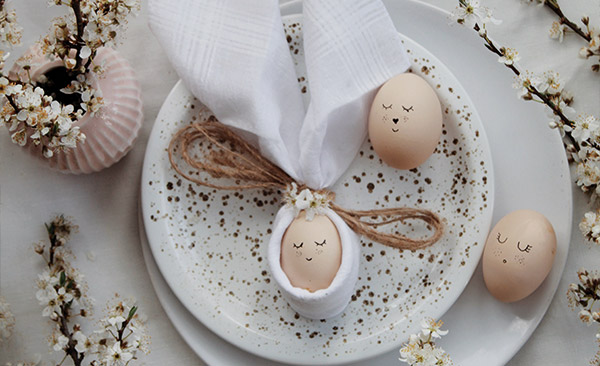
In many regions of Saarland and Germany, Easter has always been associated with a variety of customs and rituals that have often been forgotten, but are increasingly being revived today. Preserving almost forgotten Easter customs means more than just nostalgia. Those who embrace these rituals sharpen their own sense of the interplay between nature, the seasons and the shared joy of life. The revived customs lead to traditions evolving and generations coming into conversation with each other.
1. drawing Easter water – freshness and new beginnings in nature
One of the oldest Easter customs is the drawing of Easter water from a clear stream on Easter Sunday. The water, taken exclusively before the first ray of sunshine and in silent prayer, has been attributed a cleansing and healing effect for centuries.
2. the Easter fire – community and hope united
The large Easter bonfire is a symbol of rebirth and the returning light after the dark season. The ashes of the Easter bonfire were once considered a lucky charm for fields and gardens, which is why small bags of them can still be taken away today as a memento or lucky charm.
3. egg tossing – fun, games and skill for the family
Egg rolling has long been a popular pastime for children, and adults enjoy it too. In the past, people would look for hills or slopes where Easter eggs would roll down after being painted. The egg that remained intact or rolled the furthest was considered the lucky one of the year. Eggs that did not remain intact were then tasted together.
4. palm arrangements and the tying of Easter bouquets
The art of making so-called palm bushes or Easter bouquets from fresh spring branches goes back to an ancient custom. These small bundles of twigs, usually made from boxwood, willow or hazel, were tied for Palm Sunday and decorated with colorful ribbons, painted eggs and small pieces of wood. In Christian tradition, the palm branch primarily symbolizes Jesus’ entry into Jerusalem, where he was greeted by the people with palm branches. It is a central symbol of victory, life and peace.
5th blessing of herbs and Easter bread
Many Lenten and Easter customs revolve around the blessing of food. Easter bread in particular – with fine spices, dried fruit and a hint of honey – was considered a festive food and used to be blessed in church. It is often shared on Easter Sunday to express fellowship and gratitude and also marks the end of Lent.
A place of harmony between nature, tradition and exquisite delights
If you want to spend the holidays around Easter far away from the hustle and bustle of everyday life, the Linslerhof is a unique hideaway. Nestled in the picturesque landscape of the Saarland, our traditional country hotel impresses with a special combination of historic architecture, extensive natural landscapes and exceptional hospitality. The Linslerhof, surrounded by old trees, well-tended gardens and secluded footpaths, offers the perfect setting for those seeking relaxation, especially during the Easter period, who value closeness to nature and regional cuisine. Especially at Easter, when nature awakens in fresh green, the estate unfolds its very own charm. Guests not only experience comfortable overnight stays in the stylishly furnished country hotel, but also discover a wide range of leisure activities – from long walks to lovingly designed Easter offers. The special Easter markets in the region can also be a worthwhile destination. A stay at the Linslerhof at Easter is all about slowing down and indulgence, which are transformed into lasting memories in an unmistakable setting.